

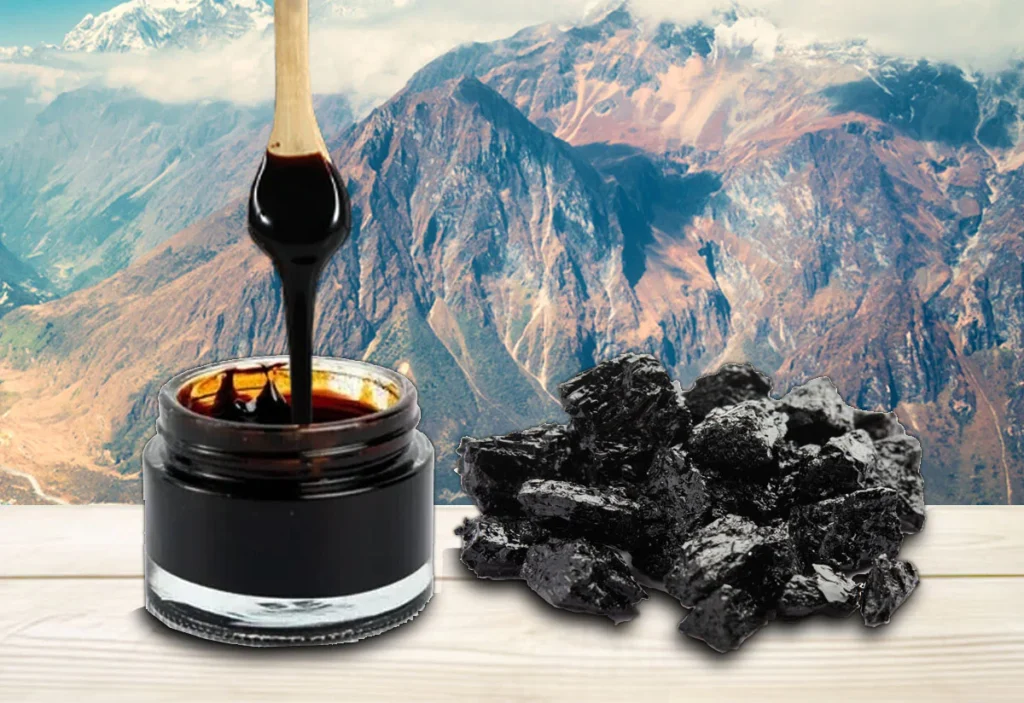
Shilajit is a mineral tar or resin that has high viscosity and extremely dark brown to black color. Shilajit consists of more than twenty different minerals including calcium, magnesium, sodium, iron, chromium, and lead. Solid hydrocarbon paraffins, proteins, carbohydrates, amino acids, fatty acids, and alcohols are also present. The mineral content of shilajit is about 15-20% along with trace minerals including selenium and heavy metals such as mercury and cadmium.
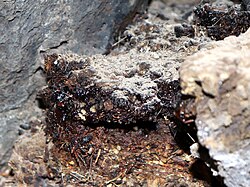
It can be a blackish brown-colored substance or an exudate appearing between the high rocks of mountains, usually from the Altai Mountains, the Caucasus Mountains, the Himalayan ranges (India, Pakistan, Nepal, and Tibet), Karakoram, Pamir Mountains (mainly Gorno-Badakhshan, Tajikistan), and countrywide Afghanistan, Bhutan, Georgia, India (states of Himachal Pradesh and Uttarakhand), Iran, Kyrgyzstan, Mongolia, Nepal, Russia, and Central Asia and Africa. People residing in these regions consume shilajit for medicinal purposes (folk medicines, alternative medicines – Ayurvedic medicine, Chinese medicine, and Tibetan medicine). The substance can be purchased as a dry extract product and dietary supplements; however, little scientific data exist regarding the effectiveness of shilajit for health benefits in humans. Some research has found dangerous levels of heavy metal content, including lead.
Why is everyone talking about it?
Why Shilajit is currently trending is that it is a nutrition-packed, traditional Ayurvedic substance which can enhance one’s energy levels, increase his testosterone, cognitive abilities, and reduce aging. This mineral pitch from the Himalayas, packed with over 80 minerals, is considered a “super supplement cheat code” of sorts.
It has also been claimed that its formation is caused by the microbial degradation of oil rocks. In analysis done in the 1970s, it was discovered that the chemical composition of the organic matter of the extract (50% carbon and 10% hydrogen) supports the hypothesis that it originates from oil. Some scholars have proposed that shilajit comes about through the degradation or humification of latex and resin-rich plant parts from plants such as Euphorbia royleana and Trifolium repens over hundreds of years.